Step Outside: Quick Green Getaways Between Meetings

Today, we dive into Urban Lunch-Break Escapes: 30-60 Minute Nature Fixes Near the Office, turning a rushed midday pause into a restorative ritual. Expect practical routes, clever time-shaving strategies, and playful ideas that sharpen focus while lifting mood. We’ll share tiny adventures, from shaded courtyards and riverside loops to rooftop gardens, all reachable without drama. Bring curiosity, a light pair of shoes, and a willingness to breathe more deeply than your inbox allows. Share your favorite shortcuts and join others crafting a calmer workday.

Maps, Minutes, and Micro‑Planning

Start by identifying the closest exits, least crowded turnstiles, and a sidewalk with minimal crossings. The goal is simple: reach greenery fast, then slow down gracefully. Tag landmarks you can spot at a glance, like a blue awning or quirky bike rack. If your building connects to a skybridge or alley, test it during peak foot traffic. The fewer decision points, the calmer the walk. This careful scouting turns those precious minutes into unhurried time that opens your senses instead of amplifying stress.
A reliable escape often hinges on tiny decisions before you even see the street. Aim for elevators that stop on fewer floors, or stairwells that feed directly to side doors. Pack light so security checks are seamless and pockets stay free for keys and card. If public transit helps, pre-load your payment and memorize the next two departure times. Borrow a commuter trick: stand near the train door that lands closest to your exit stairs. Every saved second buys another breath under trees.
Set two alarms: one for turning back, another for re-entry, both with gentle tones that won’t jolt your nervous system. Add a five-minute buffer and honor it without bargaining. Let coworkers know you’ll be away and reachable afterward, not during. This transparent boundary reduces the urge to check notifications. If a surprise meeting appears, shrink the loop rather than canceling your reset. Protecting even a short window builds trust with yourself, proving that recovery fits alongside responsibility, and that you can return sharper, kinder, and on time.

Parks, Water, and Pocket Wilderness Nearby

Cities hide ecosystems in plain sight: breezy plazas, canal edges, pollinator planters, and tiny woodlands tucked behind libraries. Seek spaces that shift your senses quickly—moving water, shifting shade, or textured stone. One analyst we met, Maya, discovered a ferny service alley that smells like rain even on dry days; it became her five-minute reset before a riverside loop. Notice edges where nature mingles with architecture, because these threshold zones feel surprisingly wild. Keep a tiny map of three reliable places, each delivering distinct calm.

Courtyards and Breezeways Full of Shade and Birdsong

Corporate courtyards can surprise you with canopy trees, benches away from foot traffic, and honest-to-goodness birdsong that dissolves indoor static. Look for wind corridors between towers where air flows gently and city noise softens. A breezeway’s shifting light creates instant theater for a wandering mind. Even fifteen minutes here can recalibrate your posture and perspective. Try a quick gratitude inventory: three visual delights, two sounds, one unexpected scent. Notice how quickly your inner commentary quiets as dappled shade and leaf patterns do the heavy lifting.

Riversides, Canals, and Fountains That Rinse Screen Fatigue

Water reframes time. Rivers and canals offer reliable linear routes and the tonic of ripples, reflections, and rhythmic movement. If you can’t reach a river, a civic fountain still works wonders; the white noise masks traffic, inviting slower breaths. Follow the sparkle on water or drifting shadows under bridges, and you’ll naturally reduce rumination. Try tracking three reflections that change with each step—cloud, glass, tree—then compare on the return. This tiny ritual nourishes attention control and brings a playful curiosity back to afternoon tasks.

Rooftops, Balconies, and Atriums as Skyward Sanctuaries

When street-level crowds thicken, elevation offers calm. Rooftop gardens, green balconies, and high atriums deliver fresh air, sun angles, and big-sky perspective. Even when winds nudge your jacket, the space reads as open and liberating. Scan for container plantings buzzing with pollinators; it’s a quick dopamine lift. If a full ascent is unrealistic, find a mid-level terrace where traffic noise fades. Bring a short, uplifting passage or a sketchy thought to untangle, then leave with the lightness that arrives when horizons broaden above spreadsheets.

Mindful Practices on the Move
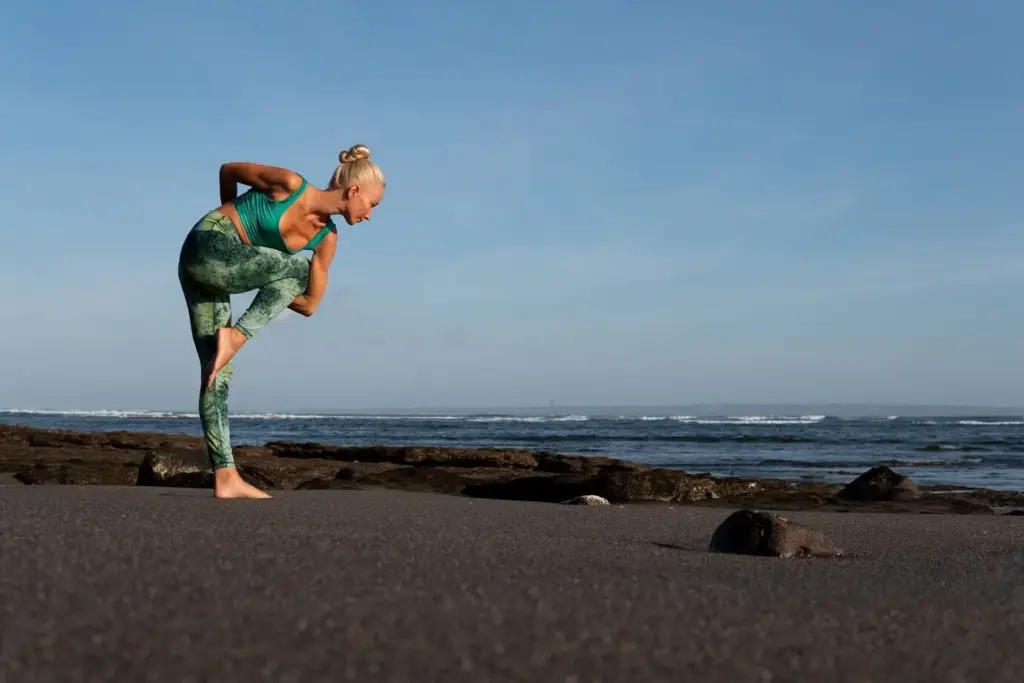
Mindfulness dovetails beautifully with urban walking, weaving breath and curiosity into each step. Rather than forcing stillness, you’ll surf motion: inhale over four paving stones, exhale over four, and watch your shoulders drop. Allow tension to travel down your arms into the swinging rhythm, then land gently in your feet. Sprinkle in micro-pauses to name colors, textures, and distant sounds. These tiny practices inoculate against meeting whiplash, making you more present and kinder on return. Share your favorite micro-rituals so others can build theirs too.

Slip‑On Walkers and Sock Strategy for Speed

Shoes determine distance. Choose soft, breathable walkers that slip on fast yet support confident strides across mixed surfaces. Keep a pair of thin, low-friction socks tucked in a desk drawer to avoid blisters on humid afternoons. If your office dress code is strict, look for minimalist silhouettes that pass muster while cushioning each step. Time yourself swapping footwear to confirm the process feels frictionless. The easier it is to move, the more often you will, unspooling stress while your calendar still behaves.

Pocket Sit Pad, Tiny Binoculars, and a Field Note

A foldable sit pad turns stone ledges into welcoming seats, inviting two unhurried minutes with a view. Tiny binoculars bring distant details close—peregrines on antennas, bees visiting rooftop thyme, patterns stitched across a bridge. Keep a small card for jotting three observations: a color, a sound, a feeling. The act of noting anchors the memory and builds a habit of seeing. Over weeks, you create a pocket anthology of midday wonders that nudge you outside even on complicated days.

Thermos, Fruit, and Protein That Travel Beautifully

Hydration helps attention; warmth or chill adds comfort. Fill a thermos with mint tea in summer or ginger tea in winter, and pack fruit that tolerates travel—grapes, clementines, crisp apples. Toss in a small protein like almonds or cheese to avoid the post-walk crash. This simple nourishment makes your loop feel luxurious rather than rushed. If you picnic on a bench, share extra slices with a colleague. Food becomes a friendly bridge that turns a private reset into a gentle community invitation.

Summer Heat: Shade Maths, Cooling Cloths, and Pace Control

In hot months, plan a serpentine path under trees and awnings, hugging the shadow side of streets. Bring a damp cooling cloth in a zip bag, sip lightly salted water, and slow your pace by a third. Trade asphalt loops for park interiors and breezy river edges when possible. If glare triggers headaches, try a brimmed cap and polarized lenses. Remember: relief accumulates through wise choices, not bravado. Returning comfortable and clear-headed beats logging extra steps you’ll regret during afternoon meetings.

Rain Play: Overhang Routes, Puddle Ethics, and Leaf Drama

Rain flips the city’s soundtrack and paints edges brighter. Map covered walkways, arcades, transit awnings, and generous trees to create a drier loop. Step around puddles with respect for passing cyclists and choose textured surfaces to avoid slips. Watch how raindrops riddle fountains and write Morse code on canal water. Leaves reveal their waxy genius; metallic smells wake memory. A light, breathable shell and cap keep hands free. You’ll return with cheeks glowing, carrying the secret that rain renews more than it slows.

Winter Light: Angle Hunts, Hand Warmers, and Brisk Gratitude

In winter, chase sunlight like treasure. Note which streets catch low-angle beams and which plazas reflect warmth from pale stone. Pocket thin hand warmers, choose wool layers that breathe, and keep your neck sheltered from wind funnels between towers. Shorten the loop but intensify the noticing: exhaled clouds, distant bells, silhouettes of sleeping trees. Offer a quiet thank-you when light lands on your face, even for a minute. That simple gratitude reframes cold days as crystalline, purposeful, and surprisingly generous.

All‑Weather Resilience, All‑Year Joy

Weather is not the enemy; it’s a texture that makes your city feel alive. With shade-savvy summer routes, playful rain strategies, and winter light hunts, you can embrace every forecast. Research links daylight to better sleep and mood, and even brief outdoor exposures stack benefits across the week. Build two variants for each season—one short, one extended—so you can adapt without thinking. Treat the sky like a collaborator, not a hurdle. Readers often discover their most memorable midday resets happened under dramatic clouds.

From Solo Reset to Team Ritual

What begins as a personal sanity break can reshape office culture. Invite a colleague for a gentle Wednesday loop, then rotate routes to share ownership. Establish norms—quiet first five minutes, no work talk unless requested, respect for pace differences. Remote teammates can mirror the window wherever they are and swap photos afterward. Celebrate micro-wins: better focus, kinder emails, steadier afternoons. Share your favorite spots in the comments, or subscribe for seasonal route ideas and reader stories. Together, we make midday lighter and kinder.
Pepimuruluvoxo
Privacy Overview

This website uses cookies so that we can provide you with the best user experience possible. Cookie information is stored in your browser and performs functions such as recognising you when you return to our website and helping our team to understand which sections of the website you find most interesting and useful.